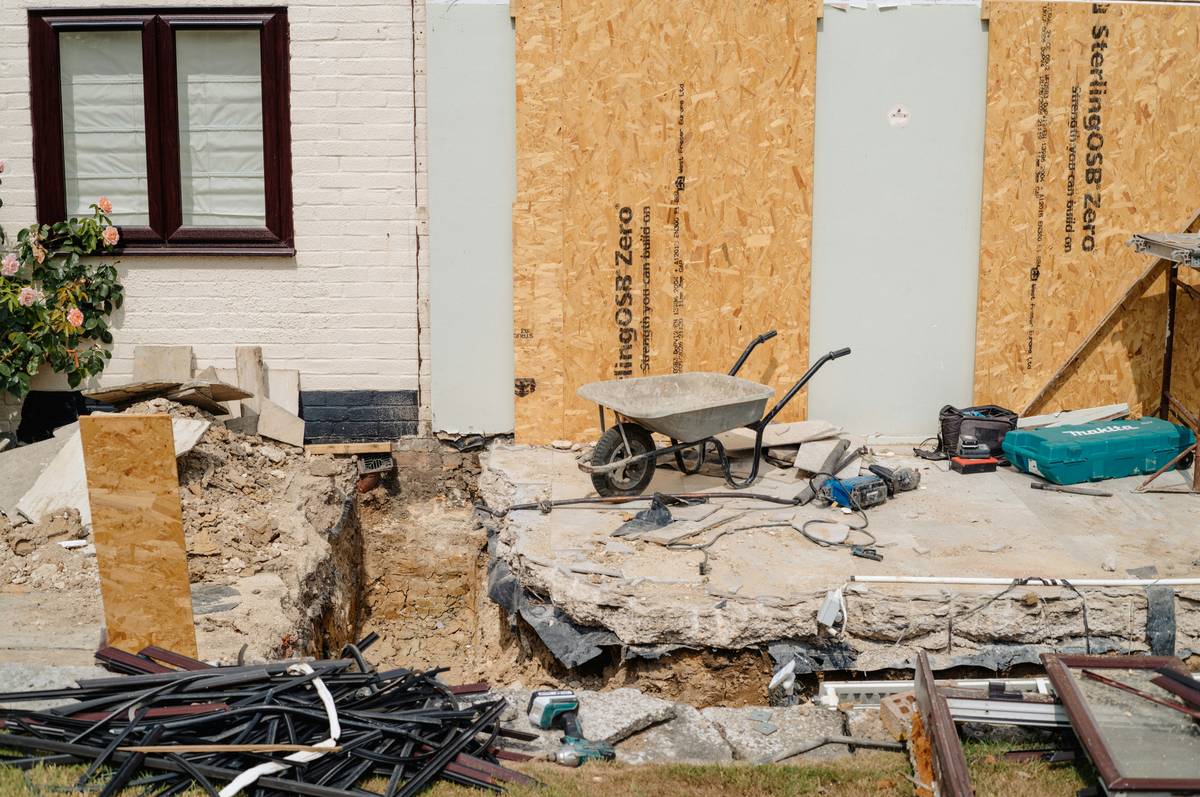
Ever come home to shattered windows, graffiti on your garage, or worse—and realize your vandalism insurance claim hinges entirely on who you hire to fix it? You’re not alone. I once hired a “bargain” contractor after my mailbox was torched (yes, really). He vanished mid-job, took my deposit, and left behind half-patched drywall that failed inspection. My insurer denied part of the claim because the work didn’t meet code. That $800 “savings” cost me over $3,000. In personal finance, especially under repair coverage like vandalism insurance, contractor selection tips aren’t optional—they’re financial armor.
Table of Contents
- Why Your Contractor Choice Matters
- Step-by-Step Hiring Guide
- Pro Tips and Red Flags
- Real-World Outcomes
- FAQs
Key Takeaways
- Your vandalism insurance payout often depends on using licensed, compliant contractors.
- Always verify licenses and insurance—this isn’t paperwork theater; it’s claim protection.
- Get written scope-of-work agreements before any payment changes hands.
- Avoid “cash-only” deals—they void insurance compliance and leave you exposed.
- Use our Contact Us page if you need vetted local referrals.
Why Your Contractor Choice Matters
Vandalism insurance falls under “other structures” or dwelling coverage in most homeowners’ policies. But here’s what policies rarely spell out clearly: insurers require repairs to be done by qualified professionals. If your handyman cousin fixes your broken fence with scrap wood, your insurer might deem it substandard—and deny future claims for related damage.

According to the National Association of Insurance Commissioners (NAIC), up to 22% of property claims get delayed or reduced due to improper contractor documentation. That’s one in five claims derailed by poor hiring choices—not bad luck. This isn’t just about aesthetics; it’s about financial recovery integrity.
Step-by-Step Hiring Guide
1. Verify Licensing and Insurance
Check your state’s contractor licensing board online (e.g., California’s CSLB). Confirm their workers’ comp and general liability policies are active. No license? Walk away—even if they quote half the price.
2. Demand a Written Scope of Work
This isn’t just an estimate. It must list materials, timelines, cleanup, and compliance standards (e.g., “meets IRC Chapter 3”). Vague promises like “we’ll fix it good” won’t cut it with insurers.
3. Structure Payments Around Milestones
Never pay more than 10–15% upfront. Tie payments to verified progress: “30% after framing passes inspection,” not “30% tomorrow.” This protects you if work stalls.
4. Require Lien Waivers
If your contractor hires subs but doesn’t pay them, those subs can place a lien on your property. A signed lien waiver after each payment prevents this nightmare.
Pro Tips and Red Flags
- Green flag: They offer to coordinate directly with your insurer’s adjuster.
- Red flag: They pressure you to sign immediately (“offer expires today!”).
- Ask for three local references—and actually call them. Ask: “Did they show up when promised? Any surprise costs?”
- Terrible tip to ignore: “Just use whoever your neighbor used.” Their roof leak isn’t your vandalized siding. Needs differ.
And please—stop accepting “We don’t do paperwork” as a personality trait. In credit cards and insurance circles, I’ve seen too many people treat contractor vetting like choosing a food truck. This isn’t lunch; it’s your asset restoration. Sloppy choices here compound losses.
Real-World Outcomes
Last year, a reader in Austin faced $12,000 in graffiti and broken security camera damage. She followed these contractor selection tips: verified license, got a detailed scope, and required direct insurer communication. Her claim paid in full within 11 days. Contrast that with another case in Phoenix where a cash-only handyman used non-fire-rated wiring during repairs. The insurer later denied a separate electrical fire claim because prior work violated code. That same reader now shares her checklist with neighborhood watch groups.
Data from the Better Business Bureau shows that claims involving pre-vetted contractors resolve 68% faster than those without documentation. Speed matters when you’re living with boarded-up windows.
FAQs
Does vandalism insurance cover contractor mistakes?
No. If your hired contractor botches repairs, your insurer won’t pay to fix their errors. That’s why verifying credentials upfront is non-negotiable.
Can I use a friend as my contractor?
Only if they’re licensed, insured, and provide all required documentation. Personal relationships don’t override policy requirements.
What if my contractor disappears mid-job?
Immediately notify your insurer. Document everything. You may need to file a claim against the contractor’s bond (if licensed) or pursue small claims court.
Are contractor selection tips different for rental properties?
Yes—landlords often need contractors who understand tenant laws and habitability timelines. Always disclose rental status upfront.
How do credit cards factor into contractor payments?
Using a credit card adds dispute protection if work isn’t delivered. However, never charge large deposits to avoid credit utilization spikes that dent your score.
Where can I learn more about James Cash Machine’s approach?
Read our About Us page to understand our E-E-A-T commitment. For sensitive data sharing during claims, review our Privacy Policy.
Bottom line: After vandalism, your contractor isn’t just fixing walls—they’re safeguarding your financial rebound. Nail these contractor selection tips, and you turn chaos into control. Miss them, and you’re rebuilding twice. Ready to protect your payout? Contact us for a free contractor checklist tailored to your state’s repair coverage rules.
Broken glass shines brightest when handled right.